Garden Carts

Reference Guide
Shop Gardening Tools Editorial and Corrections Policy focuses on the points that can actually change fit: source hierarchy, product identity, and the conditions created by following a care instruction. For Shop Gardening Tools Editorial and Corrections Policy, those factors should be compared before convenience extras are allowed to dominate the shortlist.
For Shop Gardening Tools Editorial and Corrections Policy, use measurement units as the next check when the routine shifts toward comparing two configurations. Product-specific values for material terminology in the editorial and corrections policy comparison remain tied to the current listing and exact configuration.
For Shop Gardening Tools Editorial and Corrections Policy, reference content should make the evidence boundary visible: confirmed listing facts, editorial organization, and unresolved details need to remain distinct.
Editorial Standards For Product Information is easiest to evaluate when source hierarchy is connected to following a care instruction, not treated as a feature in isolation. The second filter in Editorial Standards For Product Information is product identity, which can expose a mismatch that the headline specification does not show. For Editorial Standards For Product Information, check measurement units at the same time as model, size, and included parts so details from a neighboring configuration do not leak into the decision.
Rather than adding more features, use Editorial Standards For Product Information to resolve whether material terminology and compatibility language fit the routine around reviewing an updated page. For Editorial Standards For Product Information, pay attention to material terminology without assuming that more, larger, thicker, or heavier is automatically better. A good stopping point for Editorial Standards For Product Information is reached when compatibility language is understood and the remaining question about care instructions is explicit.
Start How Sources Are Prioritized by translating measurement units into the conditions created by reviewing an updated page. Within How Sources Are Prioritized, that same check should be repeated for material terminology, because it can change the shortlist even when measurement units looks acceptable. For How Sources Are Prioritized, do not infer compatibility language from a product photo; keep it as an open question until a current source states it directly.
The strongest comparison in How Sources Are Prioritized keeps the same job in view while adding care instructions and affiliate context. When care instructions is difficult to compare directly in How Sources Are Prioritized, return to the stated use case rather than inventing a universal ranking. The shortlist built through How Sources Are Prioritized is stronger when affiliate context is confirmed and any uncertainty around correction history is written down instead of forgotten.
Current Catalog Context
Catalog Examples Chosen For Shop Gardening Tools Editorial and Corrections Policy
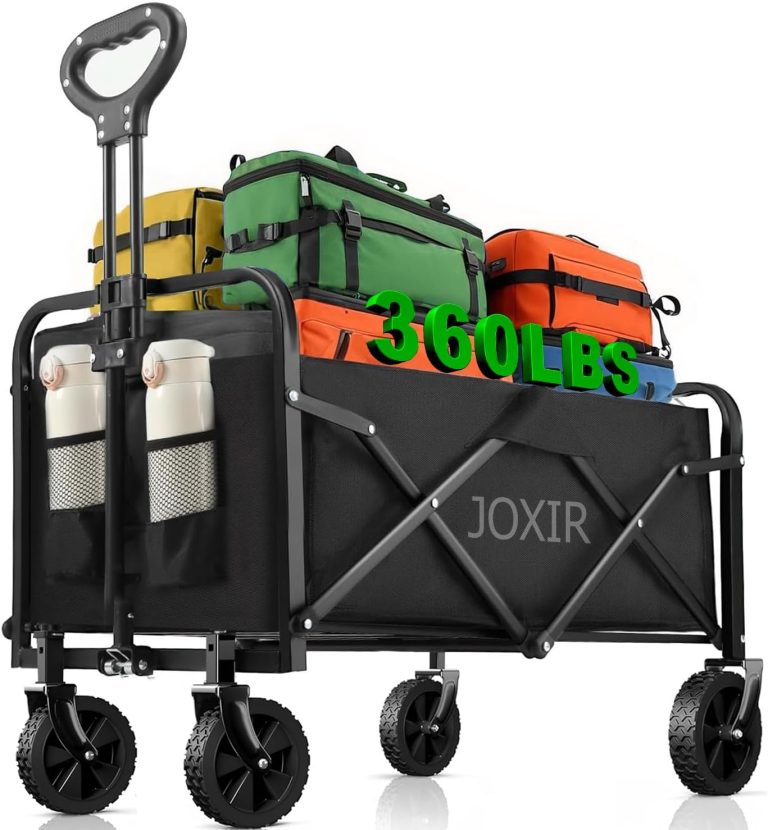
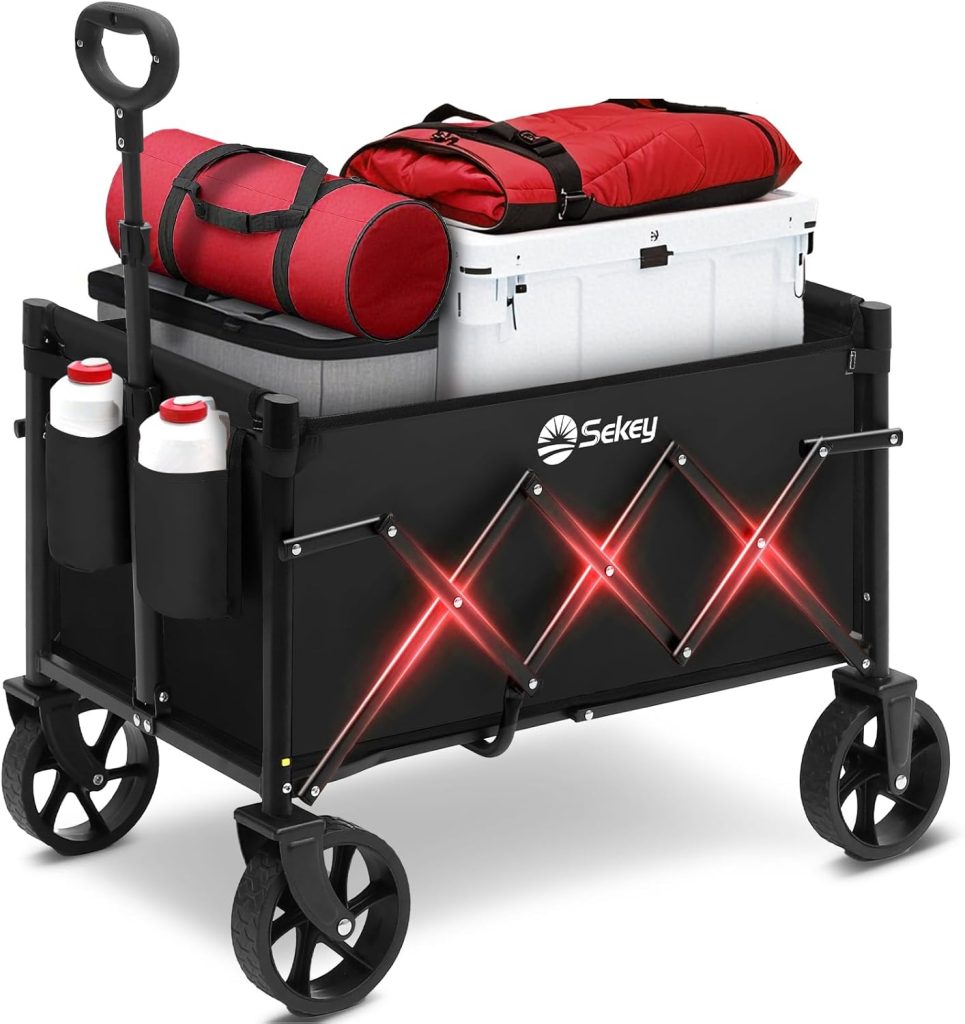
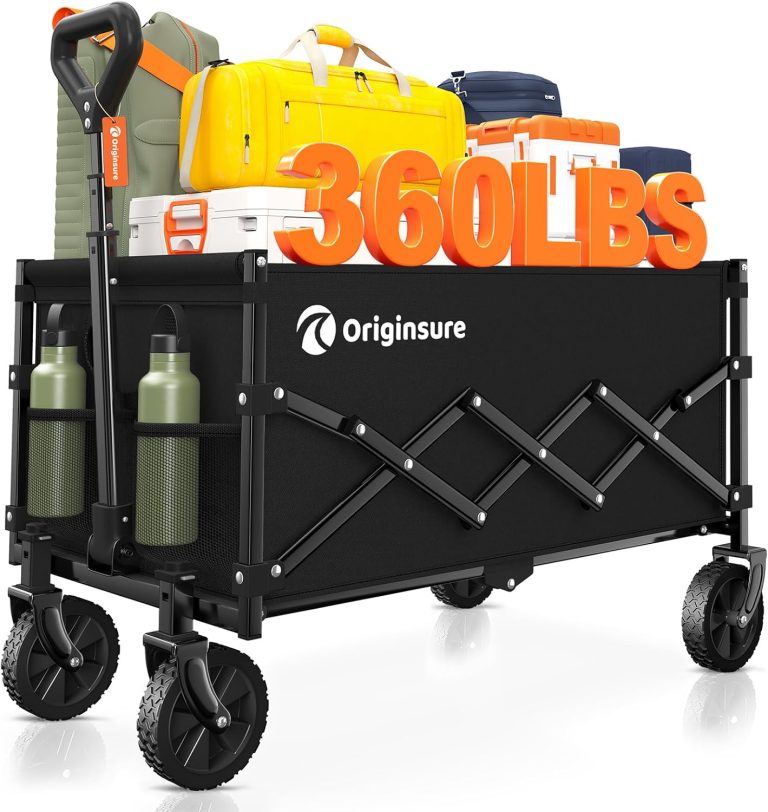
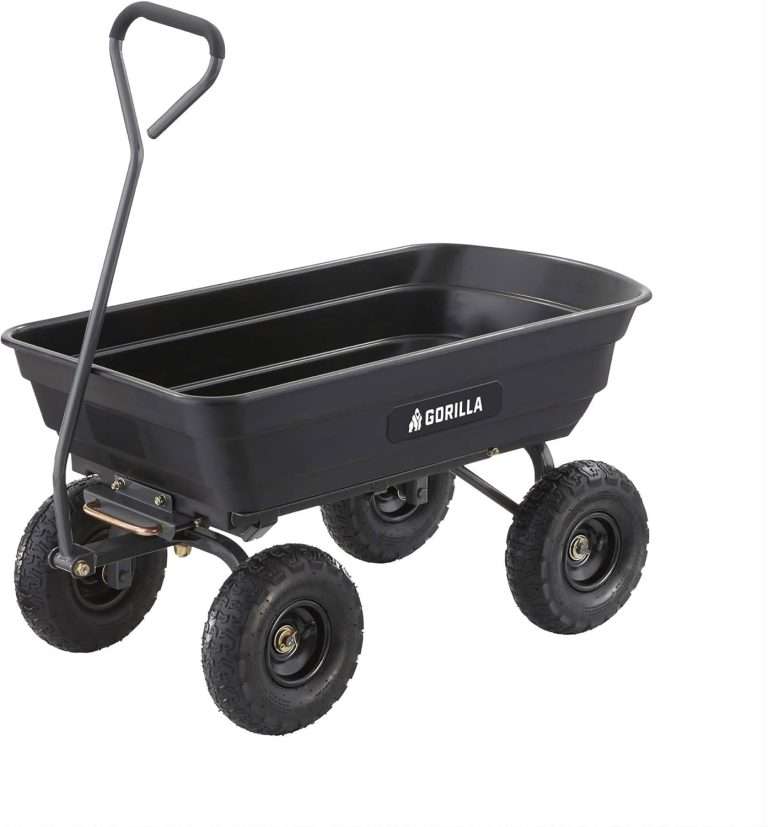
For Shop Gardening Tools Editorial and Corrections Policy, relevant catalog products are shown here to connect the decision points above with real listings. On the editorial and corrections policy page, the cards are examples from the current catalog rather than rankings, and each specification still belongs to the exact product page.
For Shop Gardening Tools Editorial and Corrections Policy, How Missing Or Conflicting Details Are Handled should answer a concrete question about compatibility language rather than add another generic feature list. Comparing care instructions at this stage of How Missing Or Conflicting Details Are Handled prevents a strong number for compatibility language from dominating the whole decision. For How Missing Or Conflicting Details Are Handled, if the current listing does not confirm affiliate context, leave that point unresolved instead of borrowing a value from a similar model.
With the main requirement defined, revisit How Missing Or Conflicting Details Are Handled from the perspective of interpreting a material label. If correction history is described only with broad marketing language in How Missing Or Conflicting Details Are Handled, look for a measurable or clearly defined specification before treating it as decisive. Carry forward from How Missing Or Conflicting Details Are Handled only confirmed details about source hierarchy; anything uncertain about product identity belongs on the verification list.
The practical starting point for Corrections And Material Updates is affiliate context, especially when the product will be used for comparing two configurations. After affiliate context, Corrections And Material Updates uses correction history to test whether the option still makes sense for the same job. If two sources disagree about source hierarchy during Corrections And Material Updates, the product-specific manufacturer or retailer listing should be rechecked before relying on either number.
A second pass through Corrections And Material Updates should compare the options under one consistent scenario: reviewing an updated page. The useful question in Corrections And Material Updates is not whether product identity exists, but whether its stated form suits the intended routine. Do not close Corrections And Material Updates until measurement units has been checked against the exact model and material terminology has either been confirmed or left visibly unresolved.
A specification for source hierarchy only becomes meaningful in Affiliate Relationships And Editorial Separation after the demands of checking a measurement are clear. For Affiliate Relationships And Editorial Separation, next compare product identity under the same conditions so the decision is not distorted by switching assumptions midway through the comparison. Where measurement units is absent in Affiliate Relationships And Editorial Separation, compare another confirmed attribute rather than turning an unknown into an estimate.
A buyer can make Affiliate Relationships And Editorial Separation more useful by testing the shortlist against comparing two configurations before focusing on minor extras. In Affiliate Relationships And Editorial Separation, this is where material terminology can separate two products that looked similar in the first pass. Use compatibility language as the final filter in Affiliate Relationships And Editorial Separation, then carry unresolved questions about care instructions into the product-level comparison.
The first filter inside What Readers Can Report is the relationship between measurement units and interpreting a material label. The next useful question in What Readers Can Report is whether material terminology supports the same use case without creating a new storage, fit, or handling problem. Within What Readers Can Report, model names can be reused across sizes and packages, so compatibility language should be verified on the exact configuration being considered.
| Decision Point | Use Case To Test | Evidence To Confirm |
|---|---|---|
| Affiliate Context | Following a care instruction | A current editorial and corrections policy listing detail rather than an assumption from appearance. |
| Source Hierarchy | Reviewing an updated page | A product-specific editorial and corrections policy answer that can be compared under the same use case. |
| Measurement Units | Reading a product listing | A stated measurement, material, or model-specific description for editorial and corrections policy. |
| Compatibility Language | Comparing two configurations | A direct fit check for editorial and corrections policy against the route, space, or task. |
For a shortlist that will survive real use, What Readers Can Report also needs a check on care instructions. The role of care instructions in What Readers Can Report should be judged against the workload defined for Shop Gardening Tools Editorial and Corrections Policy, not against a generic shortlist. Finish What Readers Can Report by checking affiliate context and recording anything about correction history that still needs confirmation on the live listing.