
Watering Cans

Decision Guide
How to Clean and Maintain a Watering Can focuses on the points that can actually change fit: rinsing, mineral residue, and the conditions created by carrying water across a yard. For How to Clean and Maintain a Watering Can, those factors should be compared before convenience extras are allowed to dominate the shortlist.
For How to Clean and Maintain a Watering Can, use rose holes as the next check when the routine shifts toward reaching beneath foliage. Product-specific values for spout blockage in the clean and maintain a watering can comparison remain tied to the current listing and exact configuration.
For How to Clean and Maintain a Watering Can, watering cans are practical tools rather than simple containers; filled weight, reach, flow hardware, and storage space all affect everyday use.
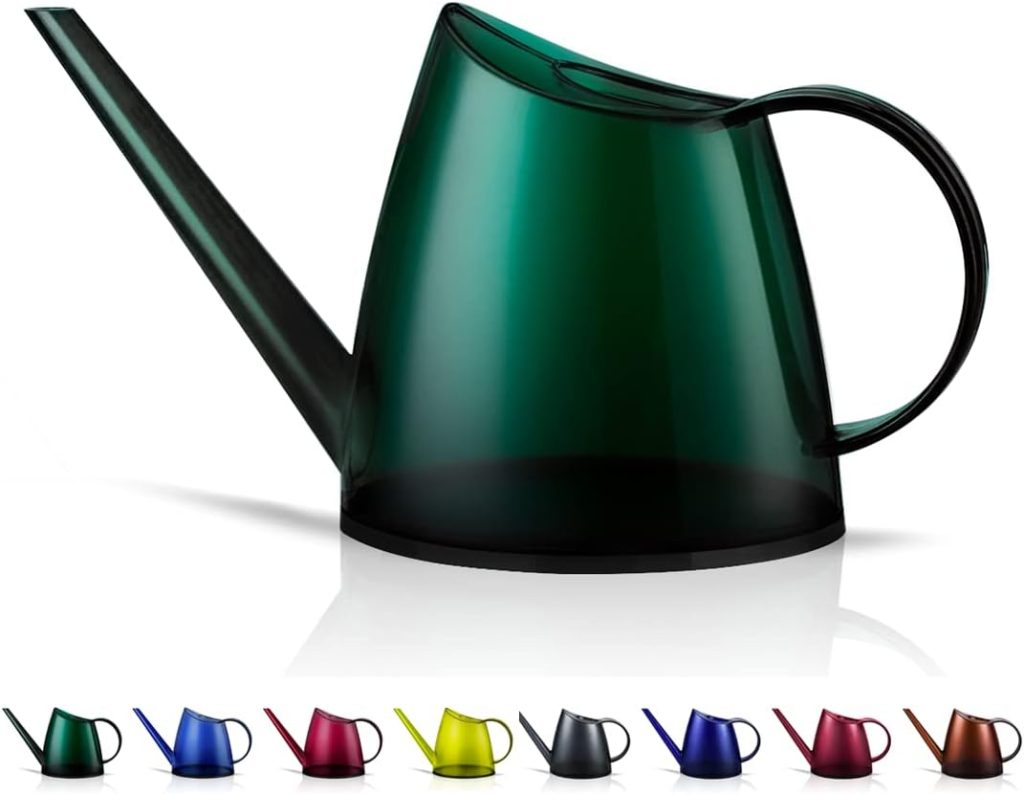
A specification for rinsing only becomes meaningful in Inspect Rinsing Before Starting Clean And Maintain A Watering Can after the demands of carrying water across a yard are clear. For Inspect Rinsing Before Starting Clean And Maintain A Watering Can, next compare mineral residue under the same conditions so the decision is not distorted by switching assumptions midway through the comparison. Where rose holes is absent in Inspect Rinsing Before Starting Clean And Maintain A Watering Can, compare another confirmed attribute rather than turning an unknown into an estimate.
A buyer can make Inspect Rinsing Before Starting Clean And Maintain A Watering Can more useful by testing the shortlist against watering seedlings before focusing on minor extras. In Inspect Rinsing Before Starting Clean And Maintain A Watering Can, this is where spout blockage can separate two products that looked similar in the first pass. Use drying as the final filter in Inspect Rinsing Before Starting Clean And Maintain A Watering Can, then carry unresolved questions about handle joints into the product-level comparison.
The first filter inside Handle Mineral Residue As A Separate Step In Clean And Maintain A Watering Can is the relationship between rose holes and watering seedlings. The next useful question in Handle Mineral Residue As A Separate Step In Clean And Maintain A Watering Can is whether spout blockage supports the same use case without creating a new storage, fit, or handling problem. Within Handle Mineral Residue As A Separate Step In Clean And Maintain A Watering Can, model names can be reused across sizes and packages, so drying should be verified on the exact configuration being considered.
For a shortlist that will survive real use, Handle Mineral Residue As A Separate Step In Clean And Maintain A Watering Can also needs a check on handle joints. The role of handle joints in Handle Mineral Residue As A Separate Step In Clean And Maintain A Watering Can should be judged against the workload defined for How to Clean and Maintain a Watering Can, not against a generic shortlist. Finish Handle Mineral Residue As A Separate Step In Clean And Maintain A Watering Can by checking storage and recording anything about freeze protection that still needs confirmation on the live listing.
Current Catalog Context
Catalog Examples Chosen For How to Clean and Maintain a Watering Can
For How to Clean and Maintain a Watering Can, relevant watering-can products are shown here to connect the decision points above with real listings. On the clean and maintain a watering can page, the cards are examples from the current catalog rather than rankings, and each specification still belongs to the exact product page.
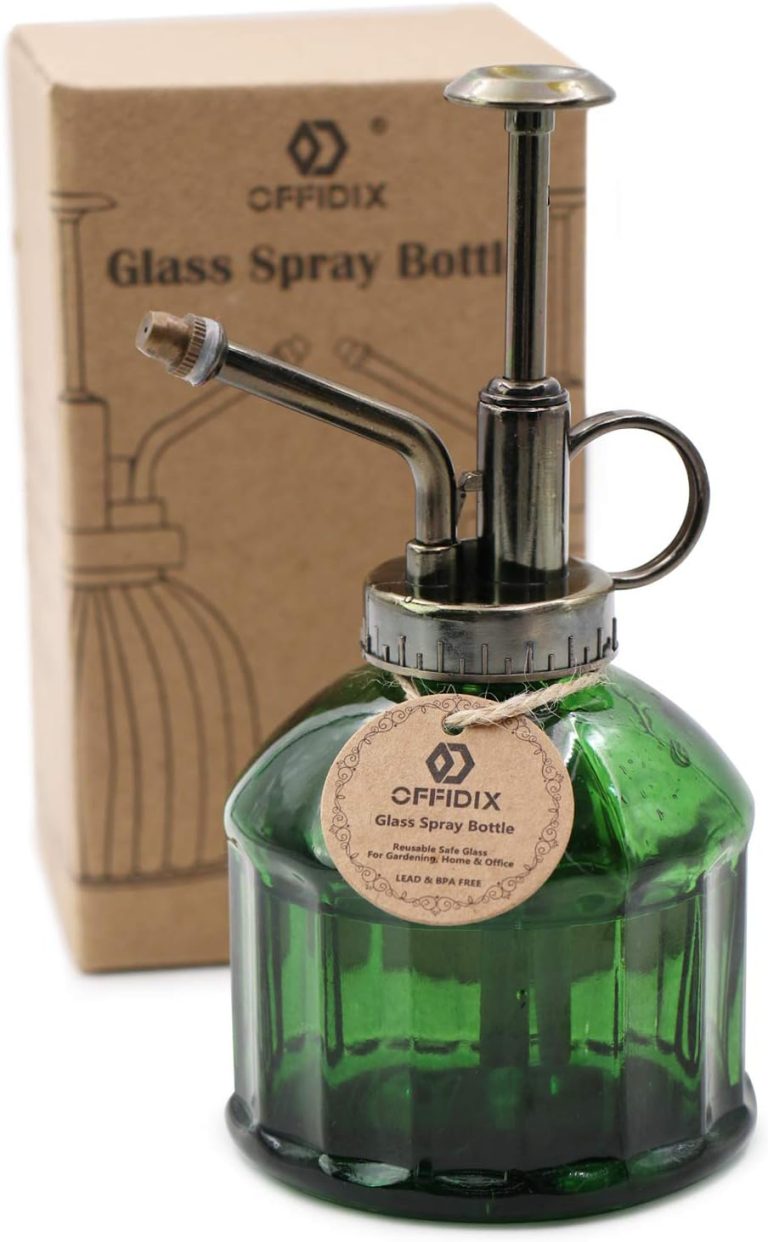
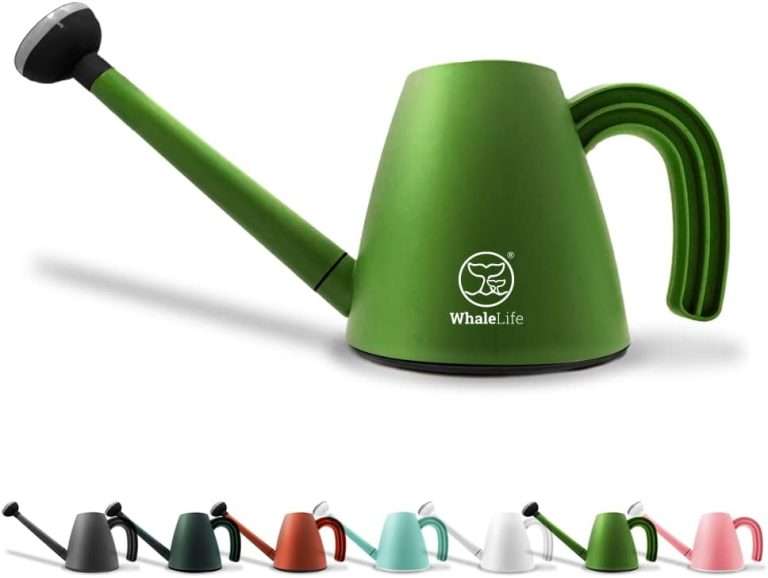
A useful reading of Protect Rose Holes During Clean And Maintain A Watering Can Care begins with storing a can on a shelf; that context gives drying a reason to matter. For Protect Rose Holes During Clean And Maintain A Watering Can Care, a product that satisfies drying can still be inconvenient if handle joints conflicts with the way it will actually be used. Keep storage separate from marketing shorthand in Protect Rose Holes During Clean And Maintain A Watering Can Care; the decision should rest on a stated specification or a clearly identified unknown.
Once the basic fit is clear, Protect Rose Holes During Clean And Maintain A Watering Can Care becomes a question of tradeoffs around freeze protection and rinsing. Read freeze protection together with the product dimensions and configuration in Protect Rose Holes During Clean And Maintain A Watering Can Care so the comparison stays specific. At this stage of Protect Rose Holes During Clean And Maintain A Watering Can Care, the goal is a defensible shortlist: rinsing should be known, while mineral residue can remain an identified question if the listing is silent.
The decision behind Plan For Spout Blockage Before Clean And Maintain A Watering Can Storage changes once storage is judged against cleaning residue from the container. In Plan For Spout Blockage Before Clean And Maintain A Watering Can Storage, keep freeze protection beside storage; the two describe different parts of fit and should not be collapsed into one score. A missing value for rinsing in Plan For Spout Blockage Before Clean And Maintain A Watering Can Storage is useful information in itself because it tells the buyer what still needs confirmation.
The decision becomes more realistic when Plan For Spout Blockage Before Clean And Maintain A Watering Can Storage includes what happens before, during, and after watering seedlings. In practice, mineral residue can matter as much as the headline specification within Plan For Spout Blockage Before Clean And Maintain A Watering Can Storage because it affects repeated handling. Close Plan For Spout Blockage Before Clean And Maintain A Watering Can Storage by separating confirmed information about rose holes from assumptions about spout blockage.
When watering indoor pots is the real job, rinsing becomes a more useful comparison point for How to Clean and Maintain a Watering Can. Use mineral residue in Signs That Need A Product-Specific Check In Clean And Maintain A Watering Can as a counter-check, not as a substitute for the requirement already established by rinsing. In Signs That Need A Product-Specific Check In Clean And Maintain A Watering Can, treat rose holes as product-specific whenever the listing, packaging, or manufacturer documentation can vary by model.
After the obvious specifications are compared, Signs That Need A Product-Specific Check In Clean And Maintain A Watering Can should move to the less visible issue of spout blockage. Use spout blockage in Signs That Need A Product-Specific Check In Clean And Maintain A Watering Can to eliminate obvious mismatches first; fine-grained preferences can come later. Before moving on from Signs That Need A Product-Specific Check In Clean And Maintain A Watering Can, verify drying; if handle joints is missing, keep it on the pre-purchase checklist.
Before narrowing How to Clean and Maintain a Watering Can, define what rose holes must accomplish during reaching beneath foliage. In Build A Repeatable Routine Around Drying, read spout blockage separately from rose holes, particularly when the work shifts toward reaching beneath foliage. For drying in Build A Repeatable Routine Around Drying, accuracy matters more than completeness, so an explicit unknown is preferable to a confident guess.
| Decision Point | Use Case To Test | Evidence To Confirm |
|---|---|---|
| Storage | Carrying water across a yard | A current clean and maintain a watering can listing detail rather than an assumption from appearance. |
| Rinsing | Watering seedlings | A product-specific clean and maintain a watering can answer that can be compared under the same use case. |
| Rose Holes | Storing a can on a shelf | A stated measurement, material, or model-specific description for clean and maintain a watering can. |
| Drying | Cleaning residue from the container | A direct fit check for clean and maintain a watering can against the route, space, or task. |
The next layer in Build A Repeatable Routine Around Drying is operational: how handle joints affects routine use and how storage affects storage or upkeep. A difference in handle joints is only meaningful in Build A Repeatable Routine Around Drying if it changes the way the item fits the job, route, storage area, or maintenance routine. The final check in Build A Repeatable Routine Around Drying is whether storage supports the intended use without relying on an unstated assumption about freeze protection.