

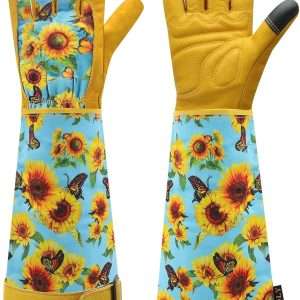

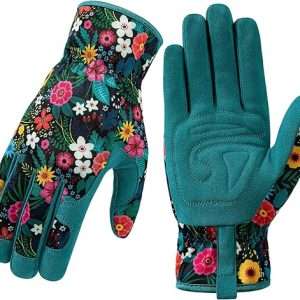

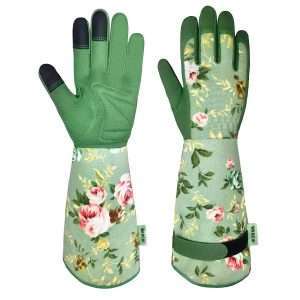


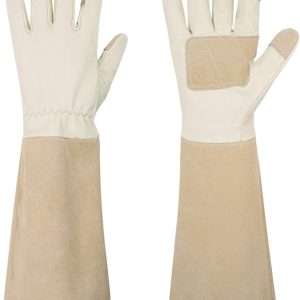


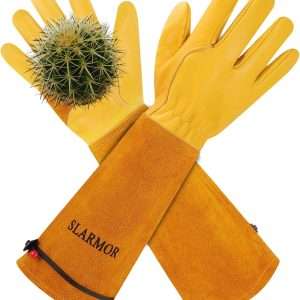


Leather Gardening Gloves can be useful for pruning, moving rough branches, handling garden materials, and other jobs where bare hands need more coverage. The best pair should protect the areas that contact tools and plants without making every small task feel clumsy. Fit, cuff length, leather placement, flexibility, reinforcement, airflow, and cleaning needs all deserve attention.
Begin with the work you expect the gloves to do. Light planting and tool handling require finger control, while thorny shrubs or rough cleanup can place more value on coverage and reinforcement. One thick glove is not automatically best for every task. A balanced pair should match the hazards, the tools you use, and the amount of dexterity you need.
Start With Fit Because Protection Depends on Control
A glove that is too loose can bunch in the palm, shift at the fingertips, and make tool handles harder to control. A glove that is too tight can restrict finger movement and become uncomfortable during longer jobs. Use the manufacturer size chart when available. Hand circumference, finger length, and the shape of the glove matter more than assuming your usual size is identical across brands.
Try to picture the glove while gripping pruners, a trowel, a rake handle, or a hose nozzle. Extra material at the fingertips can reduce precision, while a secure wrist area can help keep debris out. If you wear gloves for long sessions, seam placement and interior comfort also matter because small pressure points become more noticeable over time.
Choose Cuff Length for the Plants You Work Around
Short cuffs can feel less restrictive for planting, carrying pots, and general yard work. Longer gauntlet-style cuffs add forearm coverage when reaching into roses, brambles, or dense shrubs. The useful length depends on where contact is likely to occur. A long cuff that constantly catches on clothing can be inconvenient, while a short cuff may leave too much skin exposed for thorny work.
Look at how the cuff closes or stays in position. Elastic, adjustable straps, or shaped gauntlets can affect how much debris enters the glove and how easily it can be removed. If the glove is meant for pruning, compare the full hand-and-forearm coverage shown on the current product page rather than relying on the word leather alone.
Balance Leather Coverage With Dexterity and Airflow
Leather can be placed across the whole glove or concentrated in palms, fingers, and other wear areas. Mixed-material designs may add breathable fabric where constant abrasion is less likely. This can make sense in warm conditions when you want leather in key contact zones without enclosing the entire hand in a heavy material.
Reinforced palms, fingertips, or knuckles can be useful where repeated friction occurs, but they also add layers. Check whether the design still lets you close your hand comfortably around tool handles. For pruning and detailed work, the ability to feel and control the tool is part of safety and usability, not a minor comfort feature.
Plan Cleaning and Drying Before the Gloves Get Dirty
Gardening gloves collect soil, plant residue, and moisture, so care instructions should be checked before the first use. Leather products can have different cleaning requirements depending on finish and construction. Remove loose debris after work and follow the maker directions rather than assuming the gloves can be washed like ordinary fabric gloves.
Damp gloves should be allowed to dry naturally in a ventilated place before they are stored. Avoid leaving wet leather compressed inside a closed box or tote. If the gloves are frequently used for wet work, consider whether another glove type would be easier to maintain for those tasks and keep the leather pair for jobs where its coverage is more useful.
Leather Glove Checks Before You Pick a Pair
Use these points to compare the products above after you have decided which garden jobs require leather coverage.
- Use the brand size chart and compare hand measurements before ordering.
- Choose cuff length for the amount of wrist and forearm coverage your plants require.
- Balance leather thickness and reinforcement with the dexterity needed for tools.
- Read cleaning and drying instructions before using the gloves in damp or dirty work.
Use Garden Glove Guides to Compare Fit and Materials
These links help compare leather with coated alternatives, check sizing, and plan care. After the shortlist is smaller, use each product page for the exact leather type, reinforcement, cuff design, and current size options.
Choose Protection You Can Still Work Comfortably In
The best gardening glove is not the one with the most material. It is the pair that covers the right areas while still allowing a reliable grip and natural hand movement. Compare the finalists with the tools and plants you actually handle, then choose the fit and coverage that you will be willing to wear for the entire task.
Common Buyer Questions
Are leather gardening gloves useful around thorns?
Some designs can provide useful thorn resistance, especially with suitable leather placement and longer cuffs. Protection varies, so check the exact construction.
How should leather garden gloves be dried?
Let them dry naturally in a ventilated area and follow the manufacturer care instructions. Avoid storing them while damp.