
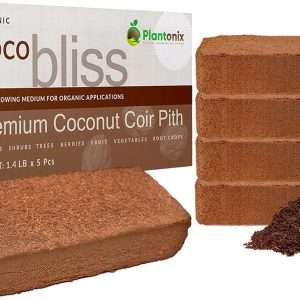

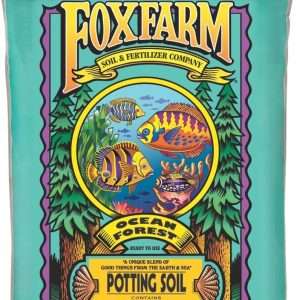

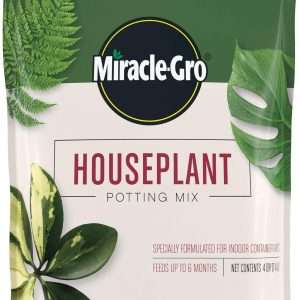
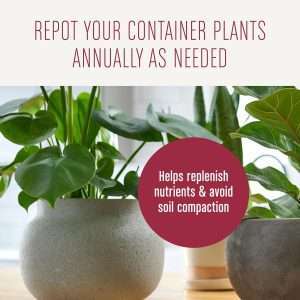
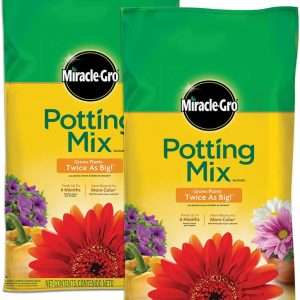
Potting Soil and potting mix products are designed for container growing, where roots depend on a limited volume of material for moisture, air, support, and access to nutrients. The right mix should be chosen for the plant and the container rather than by bag size alone. Houseplants, vegetables, succulents, orchids, herbs, and outdoor planters can have very different preferences.
Start with the product label and intended use. Some mixes are general-purpose, while others are formulated for a narrower plant group or growing condition. Ingredients, drainage behavior, moisture retention, added fertilizer, and container design all interact. A mix that performs well in one pot can be a poor match for another when the plant, watering routine, or drainage changes.
Match the Mix to the Plant and Container First
Plants that prefer faster drying conditions usually need more air space around the roots than plants that tolerate consistently moist media. Ingredients such as bark, coir, peat, perlite, and other components can change how a mix holds water and drains. Do not assume that a familiar ingredient automatically makes a product suitable. Read the intended-use information for the complete blend.
Container size and drainage holes also affect the result. A small pot can dry quickly, while a deep or oversized container may keep a larger volume of mix damp for longer. Decorative outer pots can also trap drained water if the inner container is not emptied. Choose the growing media and container setup together so the watering routine remains manageable.
Compare Drainage and Moisture Without Chasing One Extreme
Good container media usually needs both moisture retention and air movement. A mix that drains instantly may require frequent watering, while a dense mix can stay wet longer than a particular plant prefers. The useful balance depends on plant type, pot material, climate, indoor conditions, and how often you can realistically check moisture.
If you are repotting a plant that has been growing well, note the texture and watering behavior of the existing mix before changing everything at once. When moving to a new product, follow the plant and product guidance. Avoid adding random materials simply because they are commonly recommended online; unplanned changes can alter drainage and water retention in ways that are hard to predict.
Read the Bag for Nutrients and Added Ingredients
Some potting products include fertilizer or other additives, while others focus mainly on the physical growing medium. This matters because an existing feeding routine may need adjustment when nutrients are already present. Read the package for what is included, how long any feeding claim applies, and whether the manufacturer provides specific directions for the plants you are growing.
Also check whether the product is intended for indoor use, outdoor containers, raised beds, or a particular specialty. Terms such as soil, mix, and planting media are not always used consistently across listings. The safest comparison is the actual ingredient and use information on the current product page and package rather than relying on the product name alone.
Estimate Bag Quantity From Container Volume
Bag size can be difficult to judge by eye, especially when several containers are being filled at once. Estimate the volume of each pot and add the totals before buying. Allow a modest margin for settling, top-up, and the space taken by the root ball. Large decorative planters may use substantial volume even when the opening looks manageable.
Unopened or leftover material should be stored according to the product directions, ideally protected from unnecessary moisture and contamination. If a bag is opened, keep it closed as well as practical between uses. Planning quantity in advance can reduce partial bags while helping you avoid stopping halfway through a repotting project because the mix runs out.
Potting Mix Checks Before You Buy a Bag
Use these checks to make sure the mix, container, plant, and quantity all work together before you choose a product.
- Match the product to the plant type and intended indoor or outdoor use.
- Check drainage and moisture behavior before focusing on fertilizer claims.
- Read the package for added nutrients, wetting agents, or specialty-use directions.
- Estimate total container volume before deciding how many bags to order.
Use Growing Media Guides to Compare the Options
The related category and guides below help separate garden soil, potting mix, and other growing media, compare indoor and outdoor use, and estimate quantity. Return to each product page for the exact ingredients, bag size, and current directions.
Choose the Mix That Fits Your Watering Routine
The most useful potting mix is one that supports the plant while fitting the way the container drains and the way you normally water. Compare the final products with your pot size, plant type, indoor or outdoor conditions, and feeding routine. A well-matched mix is easier to manage than one chosen only because it has the longest list of added ingredients.
Common Buyer Questions
Can potting soil be used directly in garden beds?
Container mixes and garden soil are designed for different settings. Check the product label and choose material intended for the location you are planting.
How much potting soil do I need for containers?
The amount depends on container volume and root-ball space. Estimate each pot, add the totals, and allow a small margin for settling and top-up.