
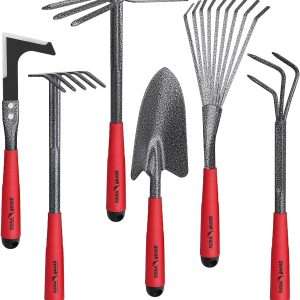

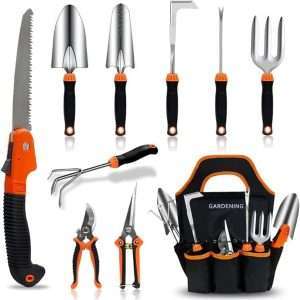
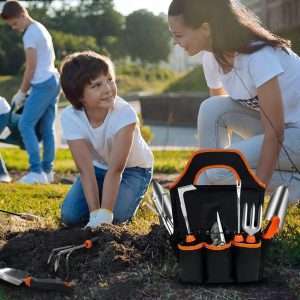
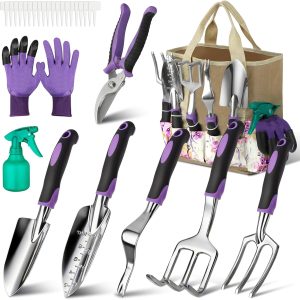




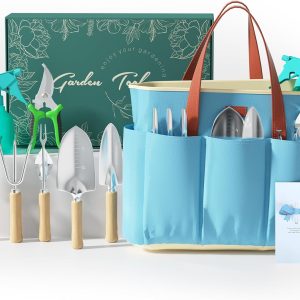


Garden Trowel A garden trowel is one of the simplest hand tools to buy, yet small design differences can change how useful it feels. Blade width, blade curve, overall length, handle shape, weight, and the blade-to-handle connection all influence control. Start with the work you do most often, then compare the products in this collection against that job instead of choosing only by appearance.
Container planting, transplanting, digging small holes, mixing amendments, and lifting loose soil do not place the same demands on a trowel. A model that feels precise beside established roots may move soil slowly in a large planter. A broader scoop may work faster in loose mix but feel oversized around delicate plants. The best choice is the one that matches your normal planting routine.
Match the Blade to Your Planting Work
For transplanting seedlings or working close to existing roots, a narrower blade can make it easier to place the tool exactly where you want it. A broader blade can move more loose soil with each scoop and may suit pots, raised beds, and general planting. Pointed tips can help begin a hole, but compacted or stony ground still requires realistic expectations about what a hand trowel can do.
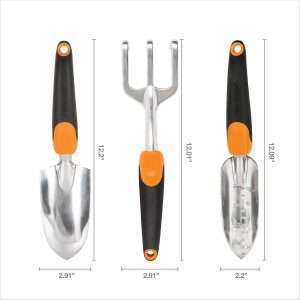
Look at the usable blade area rather than only the total tool length. Some products have long handles with relatively small blades, while others devote more of their length to the working end. If depth markings are included, treat them as convenient references for routine planting. They are most useful when the markings remain visible and the blade shape lets you position the tool consistently.
Check Handle Comfort Before Repeated Digging
Handle comfort matters most after several planting holes, not during a quick first grip. Compare handle diameter, surface texture, contour, and the angle between the grip and blade. A secure grip should let you guide the tool without squeezing harder than necessary. Gardeners who wear gloves should also consider whether the handle still feels controllable with the extra material around the hand.
The connection between the handle and blade deserves attention because that joint carries leverage during digging. Some trowels use a continuous metal construction, while others use separate handle and blade sections. Neither approach should be judged from a label alone. Check the listed construction, product photos, and current product details for the exact model before assuming how it will behave in firm soil.
Compare Materials With the Care You Will Actually Do
Stainless steel is common because it is practical to clean and generally suited to damp garden work. Aluminum can reduce weight, while coated steel tools may balance strength and corrosion protection differently. Material names do not tell the entire story. Blade thickness, finish quality, handle construction, and how the tool is stored also affect long-term convenience.
After use, remove clinging soil before it dries around the blade and joint. Let the tool dry before putting it into a closed tote or drawer, especially after wet planting work. If the manufacturer gives cleaning or maintenance directions, use those for the exact product. Regular light care is usually easier than dealing with dried soil, rough surfaces, or moisture trapped during storage.
Think About Storage, Visibility, and Tool Set Fit
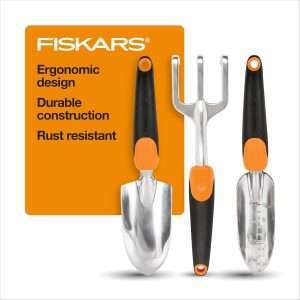
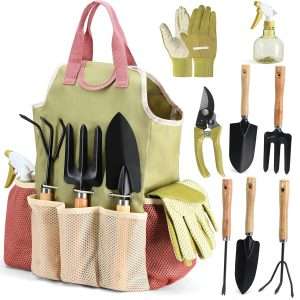
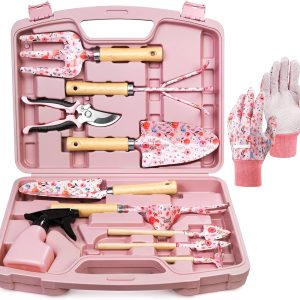
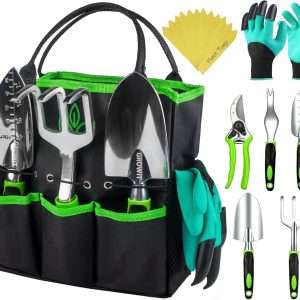
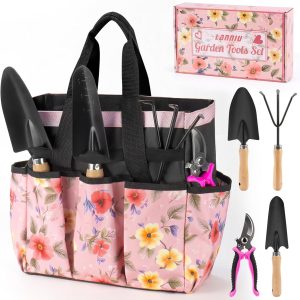
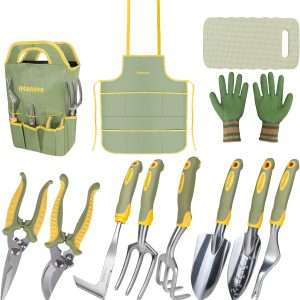
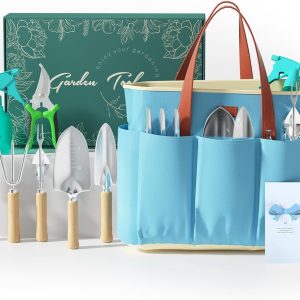
A trowel is often carried with pruners, gloves, cultivators, and other small tools. Measure the storage space if the tool must fit a compact tote, potting bench drawer, wall rack, or vehicle kit. Hanging holes can be useful when wall storage is part of the setup, while bright handles may be easier to spot when tools are set down around beds.
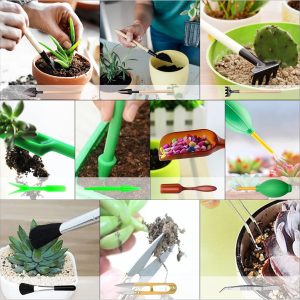
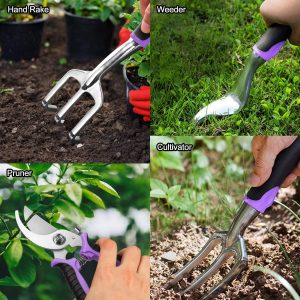
If you are building a small hand-tool set, avoid buying several tools that do nearly the same job unless each has a clear purpose. A trowel, transplanter, and cultivator can complement each other when their shapes solve different tasks. Use the related hand-tool guides below to decide whether one versatile tool is enough or whether a more specialized combination would make planting easier.
Quick Trowel Checks Before Buying
Use these checks after you have narrowed the collection to a few products. They keep the comparison focused on real planting work and storage needs.
- Choose blade width for transplanting, digging, or moving loose soil.
- Check grip shape, handle angle, and total tool length for comfortable control.
- Compare blade material together with joint construction and care requirements.
- Confirm the trowel will fit the tote, drawer, rack, or bench where you store tools.
Use Hand Tool Guides to Refine the Shortlist
The category and guides below help with material choices, tool overlap, and basic maintenance. Return to each product page afterward for its exact dimensions, construction, and current listed features.
Choose the Trowel You Will Reach for Most Often
A good trowel should make your routine planting tasks feel straightforward. Compare the final products with the soil, containers, plants, gloves, and storage setup you already use. When two models look similar, prioritize the details that affect control and maintenance rather than extra features that will rarely matter in your garden.
Common Buyer Questions
What trowel shape is useful for transplanting?
A narrower blade often gives better control around small planting holes and established roots. Compare the exact blade dimensions before choosing.
Is a heavier garden trowel always stronger?
No. Weight alone does not define strength or comfort. Compare construction, materials, joint design, and how the tool feels for repeated use.