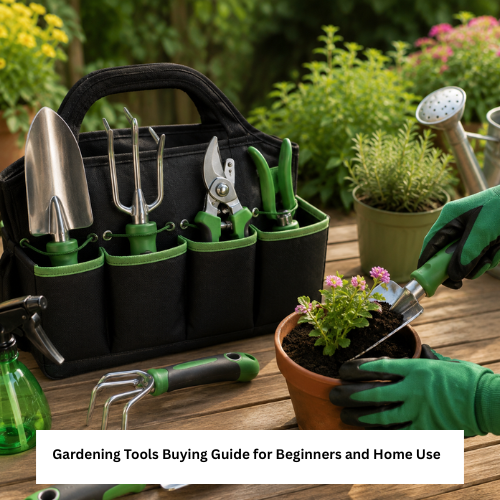
Choosing gardening tools can feel confusing for beginners because there are many options for digging, planting, pruning, watering, carrying, and cleaning. A good starter setup should match your garden size, soil type, plant care routine, storage space, and comfort level.
Beginner gardeners do not need every tool at once. Start with the basics, learn what your plants need, and add durable tools as your garden grows. shop gardening tools can help buyers compare practical garden tools before choosing supplies for home use.
Why Beginners Should Start with Basic Garden Tools
New gardeners often buy too many tools before understanding their actual needs. A balcony herb planter, raised vegetable bed, flower border, and backyard garden all require different tools.
Start with tools that support daily garden care, such as a hand trowel, pruner, gloves, watering can, hand fork, and small storage bag. Add larger items only when the garden size or task requires them.
How to Choose Gardening Tools for Home Use
The best gardening tools should feel comfortable in your hand, match your soil tasks, and be easy to clean after use. For beginners, lightweight tools with simple handles are easier to control than oversized equipment.
Use beginner gardening tools guidance when you want a starter-friendly way to compare essential garden tools.
Before buying, check:
- Handle comfort
- Tool head material
- Weight and balance
- Grip texture
- Storage space
- Cleaning needs
- Rust resistance claims, if listed
- Return policy
- Replacement parts, if available
- Verify before buying if product details are not confirmed
| Tool Type | Best For | Buyer Benefit | Limitation | Verify Before Buying |
| Hand trowel | Planting small plants and bulbs | Easy digging and scooping | Not for heavy soil work | Blade material and handle comfort |
| Hand fork | Loosening soil | Helps break compact soil | Small working area | Tine strength and grip |
| Pruning shears | Trimming stems and flowers | Cleaner cuts than scissors | Needs cleaning and sharpening | Blade type and lock safety |
| Gloves | Hand protection | Helps with soil, thorns, and rough surfaces | Fit varies | Size, material, and wrist coverage |
| Watering can | Daily watering | Better control than large hoses | Limited capacity | Capacity, handle balance, and spout |
Hand Tools for Garden Tasks
Small hand tools are useful for planting, weeding, loosening soil, and maintaining flower beds or vegetable beds. They are easier to store and usually better for beginners than large equipment.
A hand tools for garden category can help buyers compare small tools for planting, soil care, and light garden maintenance.
Choose tools based on the job. A trowel is better for planting, a fork is better for loosening soil, and pruning shears are better for trimming stems.
Garden Tool Set or Single Tools?
A garden tool set is useful when you want several starter tools together, but it is still important to check what is included. Some sets may include tools you do not need, while others may miss important items like pruning shears or gloves.
Single tools are better when you already know what task you need to solve. Tool sets are better for beginners who want a basic kit for planting and light care.
For product comparison, review garden tool collection options and verify tool count, handle material, blade quality, and return policy before buying.
Setup, Safety, and Storage Tips
Keep sharp tools away from children and pets. Use gloves when handling soil, thorny plants, or pruning tasks. Store tools dry after cleaning to reduce rust risk.
A small basket, tote, or wall rack can help keep tools in one place. If you have a small balcony, choose compact tools and avoid large carts unless you have enough storage space.
For organized storage, check garden tool organizer ideas before buying extra racks, totes, or wall hooks.
Maintenance Advice for Gardening Tools
Clean tools after use, especially after working in wet soil. Dry metal parts before storing. Pruning tools should be wiped after trimming sticky stems or diseased plants.
Maintenance checklist:
- Remove soil after use
- Dry metal parts
- Store tools indoors or in a dry shed
- Tighten loose screws
- Check blades before pruning
- Sharpen pruning shears when needed
- Replace damaged handles or broken parts
Common Buying Mistakes
Beginners often buy attractive tools without checking size, fit, or durability. A cute set may not work well if the handles are uncomfortable or the tool heads bend easily.
Avoid these mistakes:
- Buying a large set without checking included tools
- Ignoring handle comfort
- Choosing tools that are too heavy
- Not checking storage space
- Buying pruning tools without safety locks
- Forgetting gloves and cleaning supplies
- Skipping warranty and return policy checks
Troubleshooting Tool Problems
If a trowel bends in firm soil, it may not be suitable for heavy digging. Use the right tool for the soil type and verify material strength before buying replacements.
If pruning shears do not cut cleanly, clean the blade, check the spring, and sharpen if needed. If handles cause hand pain, look for better grip size or ergonomic handles.
Practical Buying Checklist
Before buying, confirm:
- Size or fit: Tool size matches your hand and garden space
- Compatibility: Suitable for containers, raised beds, flower beds, or backyard soil
- Safety: Sharp tools include safe handling and storage features
- Material or build quality: Tool head, handle, grip, and joints feel reliable
- Setup or installation: Storage rack, tote, or tool organizer fits your space
- Maintenance: Easy to clean, dry, sharpen, and store
- Warranty: Verify before buying
- Return policy: Check before ordering
- Replacement parts: Verify handles, blades, springs, screws, or storage bags
- Delivery or support: Confirm shipping and seller support
- Verify before buying: Do not assume material, size, or durability claims
Conclusion
The right gardening tools make beginner gardening easier, safer, and more organized. Start with basic hand tools, check comfort and quality, plan storage, and add more tools only when your garden tasks require them.
FAQ
What gardening tools should beginners buy first?
Start with a hand trowel, gloves, pruning shears, hand fork, watering can, and a small storage bag.
Should beginners buy a tool set?
A tool set is useful if it includes the tools you need. Always check what is included before buying.
How do I choose comfortable gardening tools?
Check handle size, grip texture, weight, and balance before buying.
How should I clean garden tools?
Remove soil, wipe metal parts dry, and store tools in a dry place.
What should I verify before buying?
Verify size, material, included tools, warranty, return policy, and replacement part availability.
