











Detail Description
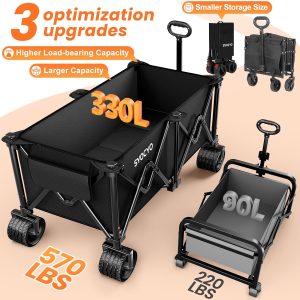
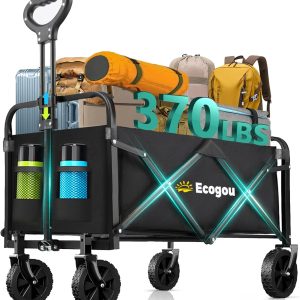
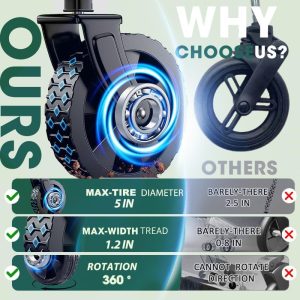
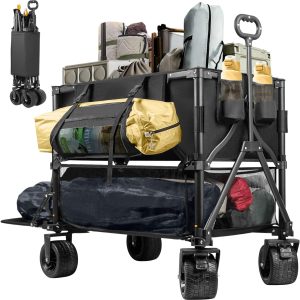
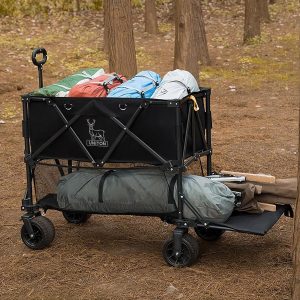
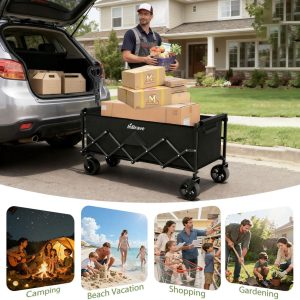
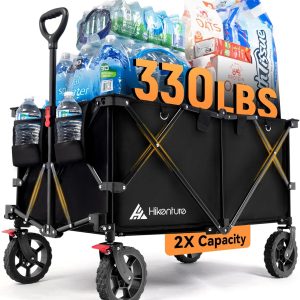
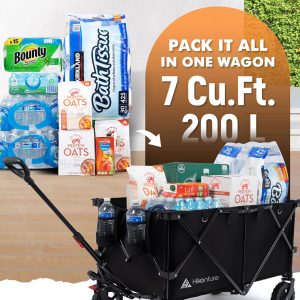
Collapsible Garden Wagon A collapsible garden wagon can save storage space while still giving you a practical way to move soil bags, tools, plants, yard supplies, and other bulky items. The right wagon is not simply the one with the largest advertised capacity. Bed dimensions, wheel design, handle control, frame layout, folded size, and the surfaces you cross all affect how convenient the wagon feels around a real yard.Start by picturing the route from storage to the places where the wagon will be used. A model that rolls easily on a smooth driveway may behave differently on grass, gravel, mulch, or uneven paving. Also think about gates, narrow paths, shed doors, vehicle loading, and turns around beds. These practical limits often matter more than a single headline specification.Plan Around the Loads You Move Most OftenBags of soil, compost, and fertilizer create concentrated weight, while branches, pots, and hand tools take up more space without necessarily reaching the same load. Compare the internal bed dimensions with the items you carry regularly. Sidewall height can help contain loose cargo, but very tall sides may make it less convenient to load wide or awkward objects.Published load ratings are useful comparison points, but the rating should not replace common-sense load planning. Weight distribution changes steering and lifting, especially when the wagon crosses uneven ground or must be moved into a vehicle. Keep dense items low and balanced when possible, and follow the product guidance for the exact wagon rather than treating every model as interchangeable.Match Wheel Design to Grass, Gravel, and PavingWheel diameter, width, tread, and spacing can change how easily a wagon rolls. Larger or wider wheels may help on softer or rougher surfaces, while compact wheels can feel nimble on firm paths. If your route includes lawn edges, gravel, pavers, or small steps, compare ground clearance and wheel layout instead of assuming an all-terrain label solves every surface.Steering also matters in tighter areas. Some wagons turn sharply from the front, while others need a wider arc when loaded. Look at handle attachment, front-wheel spacing, and any braking system shown for the model. If slopes are part of the route, braking and load control deserve extra attention because a loaded wagon behaves differently from an empty one.Measure the Folded Wagon Before You BuyCompact storage is the main reason many buyers choose a folding wagon, so folded dimensions should be treated as a core specification. Measure the exact space in a shed, garage, closet, or vehicle. Check whether the wagon can stand upright when folded, whether the wheels remain exposed, and whether the handle has a secure storage position.Also think about the setup process. A wagon that unfolds quickly and locks into shape can be easier to use for short garden tasks. Removable fabric, accessible corners, and a frame that can be wiped clean may simplify maintenance after hauling damp soil or plant debris. The easiest wagon to own is usually the one that fits both the work and the storage routine.Compare Wagon Types Before Committing to a Folding DesignA collapsible wagon is not the best answer for every yard. Dump carts can make unloading loose material easier, while rigid steel or poly carts may suit heavier, rougher work. The advantage of a folding wagon is the combination of usable cargo space and compact storage. Decide whether that trade-off matches your priorities before comparing small feature differences between similar models.If most of your loads are heavy landscaping materials, pay close attention to frame construction and wheel support. If the wagon is mainly for tools, plants, and lighter supplies, maneuverability and folded size may deserve more weight in the decision. The related cart guides below can help separate these use cases before you choose a final product.Collapsible Wagon Checks That Prevent a Poor FitUse these four checks with the products above before focusing on accessories or cosmetic differences.Compare usable bed dimensions with soil bags, pots, tools, or supplies you carry.Match wheel size and tread to grass, gravel, paving, and mixed garden surfaces.Measure the folded wagon against the exact shed, garage, or vehicle storage space.Review handle adjustment, brakes, frame access, and fabric cleaning instructions.Use Garden Cart Guides to Compare the Trade-OffsThese resources help compare capacity, cart type, storage, and maintenance. After narrowing the options, return to each product page for the current load rating, dimensions, wheel details, and included features.Browse Garden Carts for the wider product range. Use Garden Cart Guides for broader buying guidance. Then compare Collapsible Wagon Vs Dump Cart Vs Steel Garden Cart, Garden Cart Capacity And Size Guide, How To Store And Maintain A Folding Garden Cart.Choose for the Route, Load, and Storage Space TogetherBefore buying, walk the route where the wagon will travel and note the narrowest turn, roughest surface, and tightest storage point. Then compare the finalists against the heaviest realistic load you expect to move. A wagon that fits all three conditions will usually be more useful than one that wins only on capacity.Common Buyer QuestionsCan a collapsible wagon carry bags of soil?It can when the combined load stays within the product rating and the bed supports the way the bags are positioned. Check the exact wagon specifications.Are bigger wagon wheels always better?Not always. Larger wheels can help on rougher ground, but turning space, storage, weight, and the surfaces you use also matter.