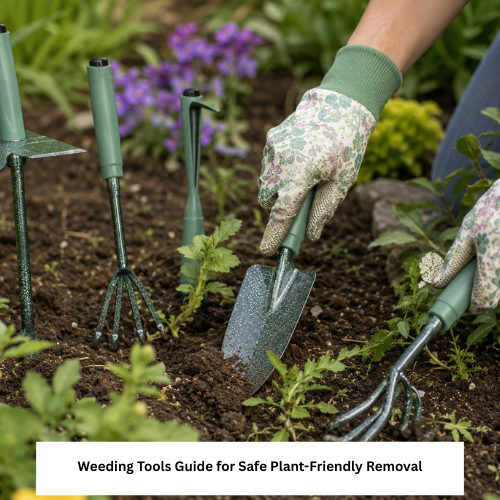
The right weeding tools make it easier to remove unwanted plants while protecting nearby flowers, vegetables, lawn roots, and soil structure. The best choice depends on the weed type, root depth, soil moisture, planting density, working position, and amount of ground that needs attention.
A narrow hand tool may work well between closely spaced plants, while a long-handled weed puller can reduce bending when clearing a lawn. Shop gardening tools buyers should compare blade width, shaft length, grip comfort, material quality, storage needs, and replacement support before ordering.
How to Choose Weeding Tools for Different Areas
Weeding tools should match both the weed and the surrounding plants.
Before choosing a tool, identify:
- Whether the weed has a taproot or spreading roots
- Whether it grows in soil, lawn, gravel, or paving gaps
- How close it is to wanted plants
- Whether the soil is dry, moist, compacted, or loose
- Whether the user prefers kneeling or standing
- How much area must be cleared
- Whether the tool needs to fit inside a small storage space
A wide tool can remove weeds quickly in open soil but may disturb seedlings. A narrow blade gives more control around established plants.
| Tool type | Best use | Main advantage | Possible limitation | What to verify |
| Hand weeder | Beds and closely spaced plants | Precise root access | Requires kneeling or bending | Grip and blade width |
| Forked dandelion weeder | Deep taproots | Reaches beside a central root | Can leave part of the root behind | Shaft length and fork strength |
| Stand-up weed puller | Lawns and open ground | Reduces bending | Needs room around the weed | Footplate and release mechanism |
| Weeding knife | Borders, cracks, and compacted soil | Cuts and loosens difficult roots | Sharp blade requires careful storage | Blade cover and handle grip |
Match the Tool to Root Type
Taproot weeds need a tool that reaches beside the root and loosens the surrounding soil.
Examples may include weeds with one thick central root. Insert the tool close to the root, loosen the soil, and lift steadily rather than snapping the top growth.
Spreading weeds may have runners, rhizomes, or several connected roots. These require careful tracing and removal because small remaining sections may regrow.
A hand weeder is useful when gardeners need close control beside vegetables, flowers, and young plants.
Do not pull aggressively against delicate nearby roots. Loosen the soil first and work from the weed’s outer edge.
Work When Soil Conditions Are Suitable
Slightly moist soil is often easier to work than very dry or saturated ground.
Dry compacted soil can make roots snap. Waterlogged soil may compress easily and can be damaged by heavy foot traffic.
Before weeding:
- Check whether the soil crumbles easily.
- Water lightly when appropriate.
- Avoid working immediately after heavy rain.
- Move mulch aside carefully.
- Mark young plants that are difficult to identify.
- Keep a container ready for removed weeds.
Do not place mature seed heads or invasive root pieces directly into ordinary compost unless local guidance says they can be composted safely.
Hand Weeders for Close Planting
A narrow hand weeder can work between:
- Vegetable rows
- Perennials
- Annual flowers
- Containers
- Raised beds
- Shrubs
- Ground cover
Choose a handle that feels secure with wet or dusty gloves.
Check:
- Handle length
- Handle diameter
- Blade or fork width
- Shaft attachment
- Rust resistance
- Hanging hole
- Blade cover
- Overall balance
A loose handle or bent shaft can reduce control near wanted plants.
Long-Handled Weed Pullers
Long-handled tools may suit gardeners who find kneeling difficult or who need to remove weeds from open lawns.
They usually work by positioning claws or tines around the weed, pressing into the soil, and using leverage to lift the root.
Verify:
- Total handle length
- Footplate size
- Jaw or tine spacing
- Soil suitability
- Weed-release mechanism
- Tool weight
- Storage height
- Replacement-part availability
A stand-up tool may struggle in hard clay, rocky ground, or very narrow spaces.
Dandelion and Taproot Tools
A dandelion weeder normally has a narrow shaft with a forked or notched end.
To reduce lawn damage:
- Position the tool close to the center of the weed.
- Insert it at an angle beside the root.
- Loosen the soil rather than making a wide hole.
- Lift gradually.
- Check whether the main root came out.
- Press disturbed turf back into place.
- Water the repaired spot when appropriate.
Do not repeatedly twist a wide tool around a small weed because it can remove healthy turf unnecessarily.
Weeding Knives and Crack Tools
A weeding knife can help cut roots, loosen compact soil, and clear narrow areas.
Use extra care around irrigation lines, landscape fabric, bulbs, and shallow roots.
A crack weeder is better suited to joints between paving stones, walkway edges, and other narrow gaps.
Check that sharp tools include:
- A protective sheath or cover
- A secure handle
- No loose blade movement
- A safe hanging or storage point
- Clear cleaning instructions
Never leave a sharp weeding tool lying in grass or loose soil where it may be stepped on.
Gloves and Personal Safety
Wear suitable footwear and hand protection.
The weeding gloves category can help gardeners compare gloves for grip, soil contact, and general hand protection.
Check gloves for:
- Correct size
- Flexible fingers
- Reinforced palms
- Breathability
- Cuff length
- Washability
- Puncture resistance
- Latex or material sensitivities
Gloves do not guarantee protection from thorns, sharp metal, glass, contaminated soil, or insects.
The Aimerla gardening gloves for weeding listing can help buyers compare glove coverage and grip, but verify the current size range, materials, care instructions, seller, and package contents.
Troubleshooting Common Problems
The Weed Top Breaks Off
Loosen a wider area around the root and try again when the soil is slightly moist.
The Tool Bends
Stop using it. The soil may be too hard, or the tool may not suit the root and ground conditions.
Nearby Plants Lift With the Weed
Hold the wanted plant in place, reduce leverage, and use a narrower tool.
The Stand-Up Puller Will Not Grip
Check tine placement, weed size, soil hardness, and the manufacturer’s operating method.
Weeds Return Quickly
Root fragments, seed production, disturbed soil, or uncovered ground may be contributing. Add mulch or another suitable prevention method.
Cleaning and Maintenance
After use:
- Remove soil from the blade and shaft.
- Rinse only when the care instructions allow it.
- Dry the tool completely.
- Check for loose handles.
- Inspect for bends or cracks.
- Sharpen only when recommended.
- Apply approved protective oil when suitable.
- Wash gloves according to their label.
- Store tools off damp floors.
Do not grind, reshape, or sharpen a coated tool unless the manufacturer permits it.
Storage and Replacement Support
Store sharp tools:
- Inside a sheath
- On a secure hook
- Inside a locked cabinet
- Away from children
- Away from damp soil
- With blades facing away from walkways
Before buying, check warranty coverage, return restrictions, replacement handles, blade availability, delivery damage procedures, and customer support.
Practical Buying Checklist
- Identify the weeds and root types.
- Check soil and planting conditions.
- Measure the spacing between wanted plants.
- Decide between hand and stand-up use.
- Compare blade or fork width.
- Check handle length and grip.
- Review tool weight and balance.
- Inspect shaft and blade attachment.
- Choose safe storage for sharp tools.
- Add suitable gloves and footwear.
- Confirm the weeding tools fit the main garden areas.
- Review cleaning and rust-prevention needs.
- Check warranty coverage.
- Read return rules for used tools.
- Confirm replacement handles, blades, covers, or springs.
- Inspect delivery damage.
- Verify before buying all stainless-steel, rustproof, ergonomic, heavy-duty, and root-removal claims.
Conclusion
The best weeding tools match the root type, soil condition, planting space, and gardener’s working position. Use narrow tools beside valuable plants, loosen the soil before pulling, maintain sharp parts carefully, and compare warranty, storage, and replacement support before buying.
FAQ
What tool is best for deep-rooted weeds?
A narrow forked or taproot weeder can loosen the soil beside a deep central root.
Is it easier to weed wet or dry soil?
Slightly moist soil is usually easier. Saturated ground can compact, while very dry soil may cause roots to break.
Can a hoe damage garden plants?
Yes. Use it only where there is enough clearance from wanted stems and shallow roots.
Are stand-up weed pullers suitable for flower beds?
They are usually better in open areas. A hand tool provides more control around close planting.
How should sharp weeding tools be stored?
Clean and dry them, cover the blade when possible, and store them securely away from children and walkways.
