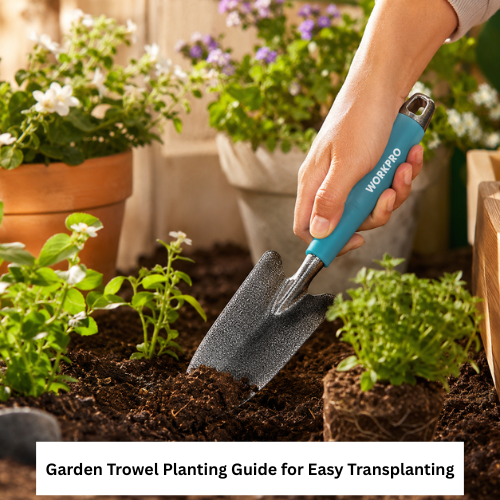
A garden trowel is one of the most useful hand tools for planting, transplanting, digging small holes, moving soil, mixing amendments, and working in containers or raised beds. The right garden trowel should feel comfortable in your hand, handle your soil type, and match the planting tasks you do most often.
A garden trowel may look simple, but small differences in blade shape, handle grip, depth marks, metal strength, and size can affect how easy it is to use. Beginner gardeners should compare fit, comfort, durability, cleaning needs, and soil compatibility before buying.
Why a Garden Trowel Belongs in Every Tool Kit
A trowel helps with small jobs that are too detailed for a shovel. It works well for planting herbs, flowers, vegetables, bulbs, seedlings, and small container plants.
For balcony gardeners, raised bed growers, and backyard gardeners, a trowel can save time and reduce mess when working in tight spaces.
How to Choose a Garden Trowel
A garden trowel should be chosen by blade shape, handle comfort, soil type, planting depth needs, and overall tool strength. Do not choose only by appearance because weak handles or thin blades may bend in compacted soil.
Before buying, check:
- Blade material
- Blade width
- Handle grip
- Tool length
- Weight and balance
- Depth markings if listed
- Rust resistance claims
- Hanging hole or storage feature
- Cleaning instructions
- Return policy
| Tool Type | Best For | Buyer Benefit | Limitation | Verify Before Buying |
| Standard garden trowel | Planting and small digging | Everyday versatility | May struggle in hard soil | Blade strength |
| Transplanting trowel | Seedlings and narrow holes | Better for tight planting | Smaller soil scoop | Width and depth marks |
| Hand trowel | Containers and beds | Easy hand control | Limited reach | Handle comfort |
| Digging trowel | Firmer soil and roots | Stronger digging feel | Can be heavier | Blade thickness |
| Tool set trowel | Beginner kits | Works with other small tools | Quality varies by set | Material and handle fit |
Hand Trowel for Containers and Beds
A hand trowel is useful for flower beds, pots, raised beds, herb planters, and small vegetable gardens. It should feel balanced and allow you to scoop soil without wrist strain.
If you garden in containers, look for a size that fits the pot opening. A wide blade may be useful in beds but awkward in small pots.
Transplanting Trowel for Seedlings
A transplanting trowel can help when moving seedlings, digging narrow holes, or planting in tight spaces. Some designs may include depth marks, but verify before buying if that feature matters.
For product comparison, review mini transplanting tool options and verify tool count, handle comfort, material, storage, and return policy before buying.
Digging Trowel for Soil Work
A digging trowel should feel sturdy enough for small holes, root pockets, and compact planting areas. If your soil is heavy clay or rocky, choose stronger tools and avoid forcing a thin blade.
Do not use a small trowel as a pry bar unless the product is designed for that use. Forcing the blade can bend or break the tool.
Planting Tools for Different Garden Jobs
Planting tools should match the size of your garden and the type of plants you grow. A trowel may be enough for herbs and flowers, while larger jobs may need a shovel, fork, cart, or kneeling pad.
At shop gardening tools, buyers can compare small garden tools, hand tools, and tool sets for container gardening, flower beds, raised beds, and backyard planting.
Small Garden Tools and Storage
Small garden tools are easier to lose if they are not stored in one place. Keep your trowel, gloves, pruners, labels, and hand rake in a tool bag, cart, or storage shelf.
Choose tools with hanging holes or bright handles if you often misplace items in soil or mulch.
Cleaning and Maintenance Advice
A trowel should be cleaned after use so soil does not harden on the blade. Moist soil, fertilizer, and plant residue can affect the tool over time.
Maintenance tips:
- Rinse soil off after use
- Dry the blade before storage
- Wipe the handle as needed
- Check for bending or cracks
- Store in a dry place
- Avoid leaving tools outdoors
- Sharpen only if the product instructions allow it
Common Buying Mistakes
Avoid these mistakes:
- Buying a weak blade for compact soil
- Ignoring handle comfort
- Choosing a blade too wide for containers
- Not checking rust resistance claims
- Forgetting storage needs
- Using a trowel for heavy prying
- Skipping warranty and return policy
Troubleshooting Trowel Problems
If the trowel bends, the soil may be too hard or the tool may not be strong enough for the job. Watering the soil lightly before digging may help, but avoid working in overly wet soil if it damages structure.
If the handle causes discomfort, try a different grip shape or use gloves for cushioning.
Practical Buying Checklist
Before buying, confirm:
- Size or fit: Blade width and handle size match your hand, containers, beds, and soil depth
- Compatibility: Tool suits planting, transplanting, digging, containers, or raised beds
- Safety: Edges, handle grip, and storage method are safe for regular use
- Material or build quality: Blade, handle, neck, coating, and seams look reliable
- Setup or installation: Tool is ready to use and easy to clean after planting
- Maintenance: Rinsing, drying, storage, and rust prevention are manageable
- Warranty: Verify before buying
- Return policy: Check before ordering
- Replacement parts: Verify handles, tool sets, hangers, or storage bags if listed
- Delivery or support: Confirm arrival before planting season
- Verify before buying: Do not assume blade strength, depth marks, rust resistance, or included accessories
Conclusion
A garden trowel is a practical tool for planting, transplanting, small digging jobs, containers, and raised beds. Compare blade shape, handle comfort, soil compatibility, cleaning needs, and return policy before choosing a garden trowel for everyday gardening.
FAQ
What is a garden trowel used for?
It is used for planting, transplanting, digging small holes, scooping soil, and working in containers.
Is a transplanting trowel different from a regular trowel?
Yes. A transplanting trowel is usually narrower and useful for seedlings or tight planting spaces.
What trowel is best for containers?
A smaller hand trowel is often easier to use in pots and narrow containers.
How do I clean a garden trowel?
Remove soil, rinse if needed, dry fully, and store in a dry place.
What should I verify before buying?
Verify blade strength, handle comfort, size, material, storage, warranty, return policy, and tool set details.
