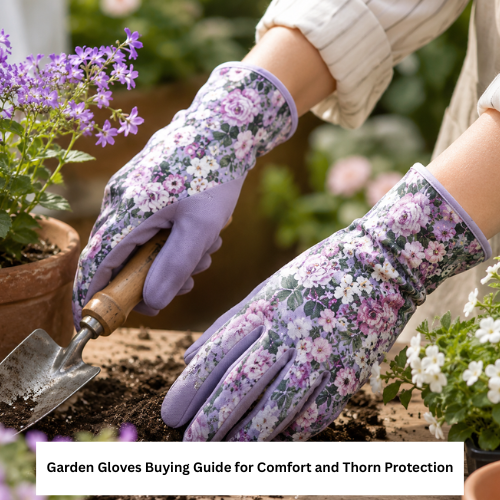
Garden gloves help protect your hands while digging, planting, pruning, weeding, carrying soil, and working around thorns or rough surfaces. The right garden gloves should match your hand size, grip needs, soil conditions, plant type, and the kind of gardening tasks you do most often.
Garden gloves are not all the same. Some are better for light planting, some for rose pruning, some for wet soil, and some for heavy digging. Buyers should compare comfort, protection, flexibility, wrist coverage, material feel, and cleaning needs before choosing a pair.
Why Garden Gloves Matter for Home Gardeners
Gardening can expose hands to thorns, rough stems, splinters, soil, moisture, insects, fertilizers, and sharp tool edges. A good pair of gloves can make the work safer and more comfortable.
For beginner gardeners, gloves also help build confidence when handling soil, mulch, compost, roses, weeds, and garden tools. At shop gardening tools, buyers can compare protective gear, hand tools, and garden accessories for daily gardening needs.
How to Choose Garden Gloves
Garden gloves should be selected by task, fit, grip, protection level, and comfort. Do not choose only by color or style because a glove that looks nice may not protect well during digging or pruning.
Before buying, check:
- Hand size and finger fit
- Palm grip
- Wrist length
- Thorn protection
- Water resistance
- Breathability
- Cuff coverage
- Flexibility
- Cleaning instructions
- Return policy
| Glove Type | Best For | Buyer Benefit | Limitation | Verify Before Buying |
| Lightweight gardening gloves | Planting, potting, and light weeding | Flexible and easy to wear | Less protection from thorns | Grip and fabric strength |
| Thorn proof gloves | Roses, brambles, and prickly plants | Better hand and wrist protection | Can feel thicker | Cuff length and puncture resistance claims |
| Waterproof garden gloves | Wet soil and damp work | Keeps hands drier | May feel warmer | Water-resistance level |
| Leather gloves | Digging and rough handling | Durable feel | May need more care | Fit and cleaning instructions |
| Claw gloves | Planting and loose soil work | Helpful for light digging | Not for every task | Finger comfort and tool use |
Gardening Gloves for Everyday Use
A gardening gloves category can help buyers compare general-use gloves for planting, weeding, potting, and light yard work. These gloves should feel comfortable enough for longer garden sessions without slipping or rubbing.
Look for a snug fit around the fingers and palm. Gloves that are too loose can reduce grip, while gloves that are too tight can make hand movement uncomfortable.
Thorn Proof Gloves for Roses and Shrubs
A thorn proof gloves option can be useful when working around roses, berry canes, thorny shrubs, or rough stems. Longer cuffs may help protect wrists and lower arms during pruning.
If the product mentions thorn protection, still verify before buying. Protection level can vary by material, thickness, stitching, and coverage.
For product comparison, review breathable garden gloves options and verify size, grip, cuff length, material, and return policy before buying.
Waterproof Garden Gloves for Wet Soil
A waterproof garden gloves choice may help when handling damp soil, watering tasks, muddy beds, or early-morning garden work. However, waterproof styles may feel warmer than breathable fabric gloves.
If you garden in hot weather, balance water protection with comfort and airflow. Wet gloves should be dried fully before storage.
Ladies Gardening Gloves and Fit
A ladies gardening gloves option should be checked for palm width, finger length, cuff style, and grip. A smaller or more contoured fit can help with detailed planting and pruning tasks.
Do not assume all women’s gloves fit the same. If sizing details are not clear, verify before buying.
Gloves for Digging and Hand Tool Use
Gloves for digging should protect the palm while still allowing control of trowels, hand forks, weeders, and small garden tools. Strong grip matters when soil is wet or tools have smooth handles.
If your gloves slip while holding tools, choose a palm material or coating designed for better grip.
Cleaning and Maintenance Tips
Garden gloves last longer when cleaned and stored properly. Follow the product label because leather, fabric, coated, and waterproof gloves may need different care.
Maintenance tips:
- Shake off loose soil after use
- Let damp gloves dry fully
- Avoid storing wet gloves in closed bins
- Brush off dried mud gently
- Check seams and fingertips
- Replace gloves with holes or worn palms
- Keep pruning gloves separate from light planting gloves
Common Buying Mistakes
Avoid these mistakes:
- Buying gloves without checking size
- Choosing thin gloves for thorny plants
- Ignoring wrist coverage
- Assuming waterproof gloves are breathable
- Using one glove type for every task
- Skipping cleaning instructions
- Not checking return policy
Troubleshooting Glove Problems
If gloves slip, the palm grip may be too smooth or the size may be too large. If fingertips wear quickly, the glove may not be strong enough for digging or rough tool use.
If hands sweat too much, choose more breathable material for light gardening and reserve heavier gloves for pruning or rough work.
Practical Buying Checklist
Before buying, confirm:
- Size or fit: Finger length, palm width, and wrist coverage match your hand
- Compatibility: Gloves fit tasks like planting, pruning, digging, weeding, and rose care
- Safety: Thorn protection, grip, and wrist coverage match the work
- Material or build quality: Palm, stitching, cuff, lining, and fingertips look reliable
- Setup or installation: Gloves are easy to put on, remove, and use with hand tools
- Maintenance: Cleaning and drying steps are simple
- Warranty: Verify before buying if listed
- Return policy: Check before ordering
- Replacement parts: Verify extra pairs, clips, or storage accessories if listed
- Delivery or support: Confirm arrival before planting or pruning work
- Verify before buying: Do not assume waterproof use, thorn resistance, exact sizing, or long-term durability
Conclusion
Garden gloves should protect your hands while still allowing comfort, grip, and control during daily gardening tasks. Compare material, fit, wrist coverage, thorn protection, cleaning needs, and return policy before choosing garden gloves for planting, pruning, digging, or weeding.
FAQ
What are the best garden gloves for beginners?
Flexible gloves with good grip and basic hand protection are usually best for planting, potting, and light weeding.
Are thorn proof gloves worth buying?
Yes, if you work with roses, brambles, thorny shrubs, or rough stems.
Can waterproof gloves be used for all gardening?
They can help in wet soil, but they may feel warmer and less breathable for long sessions.
How should garden gloves fit?
They should feel snug but not tight, with enough finger movement to hold tools comfortably.
What should I verify before buying?
Verify size, material, grip, cuff length, thorn protection, cleaning instructions, warranty, and return policy.
