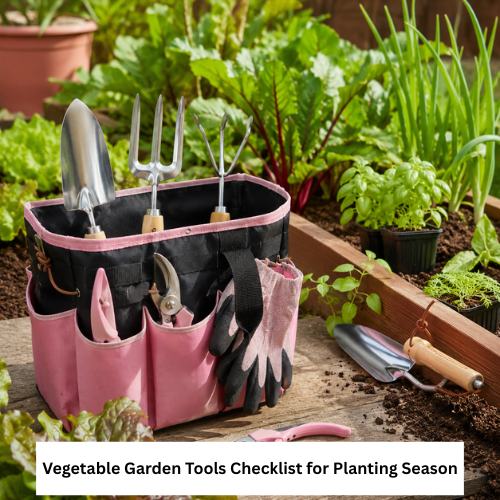
A reliable set of vegetable garden tools helps with soil preparation, seed spacing, transplanting, weed control, pruning, and watering. The best checklist depends on garden size, soil condition, crop type, and whether the gardener works in rows, containers, or raised beds.
Shop gardening tools carries hand tool sets, gloves, and watering products, but buyers should verify current contents, dimensions, materials, care instructions, and delivery details before ordering.
How to Select Vegetable Garden Tools
Begin with the tasks that must happen before and after planting. A trowel creates holes, a cultivator loosens the surface, a fork works amendments into manageable areas, and pruning tools handle approved plant maintenance later in the season.
A three in one garden tool set can cover basic digging, loosening, and transplanting when the included pieces match the soil and planting plan.
A six piece garden tool set may reduce separate purchases when every tool has a clear job and the storage space can hold the complete set.
| Tool | Planting Season Use | Main Benefit | Possible Limitation | Verify Before Buying |
| Garden fork or cultivator | Loosening soil and mixing amendments | Works below the surface | Can damage roots after planting | Tine strength and handle fit |
| Hand trowel | Making seedling holes | Precise in close rows | Slow for large areas | Blade size and depth marks |
| Pruning shears | Cutting approved stems and harvest work | Cleaner controlled cuts | Requires regular inspection | Blade lock and hand fit |
| Garden gloves | Protecting hands from soil and abrasion | Better grip and comfort | Wrong size reduces control | Size coating and wash method |
| Watering can or hose tool | Establishing seeds and transplants | Directs water where needed | Strong flow can disturb soil | Flow control and reach |
Breathable gardening gloves can support planting and weeding when the size, cuff, grip, and protection level suit the planned work.
An outdoor gallon watering can can serve rows and containers when the filled weight, handle position, spout reach, and sprinkler pattern remain comfortable.
A vegetable planting grid example can help buyers compare seed spacing guides and determine whether the format matches the crops and bed size.
Setup and Compatibility Checks
Lay out the tools before opening seed packets or moving transplants. Check that blades are secure, locks work, handles are not cracked, and watering fittings match the available connection.
Use crop spacing and planting depth guidance from reliable seed or plant instructions. A tool with measurement marks can help, but verify the marks and do not assume one depth suits every crop.
Keep pruning blades closed when not in use and do not carry sharp tools loosely in a pocket. Wear suitable gloves and eye protection for tasks that may produce flying debris.
Troubleshooting During Planting
If the trowel smears or compresses wet soil, wait until conditions improve rather than forcing planting. If dry soil is too hard, water appropriately and work small sections with a suitable soil tool.
If seedlings lean after watering, reduce the flow and direct water around the root area. If pruning cuts crush stems, inspect blade condition and confirm that the tool is appropriate for the stem size.
Cleaning Maintenance and Storage
Clean vegetable garden tools after use, remove plant material, and dry metal parts before storage. Follow approved sharpening and lubrication instructions for moving blades and joints.
Store tools by type so sharp edges are protected and watering items can drain. Inspect for loose handles, damaged locks, corrosion, worn grips, and missing parts before the next session.
Buying Checklist
- List soil planting pruning weeding and watering tasks
- Match tool size to rows containers or raised beds
- Check handle comfort grip and hand compatibility
- Inspect blades tines joints locks and protective covers
- Confirm watering equipment fits the garden setup
- Review cleaning sharpening and storage requirements
- Check warranty returns replacement parts delivery and support
- Verify every product specific detail before buying
Conclusion
Useful vegetable garden tools should match the crops, soil, garden layout, and physical comfort of the user. Build the checklist around real planting tasks, inspect every item before use, and avoid buying duplicate tools that do not solve a specific need.
FAQ
Which tools are essential for a beginner vegetable garden?
A trowel, cultivator or fork, gloves, watering tool, and suitable pruning shears cover many common tasks.
Is a garden fork necessary for planting vegetables?
It can help loosen soil and mix amendments, but the correct size depends on the garden area and soil condition.
When should pruning shears be used in a vegetable garden?
Use them only for crops and tasks that benefit from pruning or clean harvesting cuts and follow plant specific guidance.
How can planting tools be kept from rusting?
Clean off soil, dry metal parts thoroughly, and store them in a dry location according to the care instructions.
What should be checked before buying a tool set? Confirm the included pieces, materials, handle fit, storage method, warranty, return policy, and replacement support.
